Lancaster winters are short, and that is exactly the problem. A Piedmont winter is a handful of hard freezes, an ice storm or two, and a lot of mild days in between that convince you the car needs nothing. The cold finds the weak parts anyway: the battery that summer heat quietly aged, the tires that lose pressure overnight, the wiper blades that were already done in October.
Work this checklist in late fall, in order, and give each item a pass or a fail. Anything that fails is a small job in November and a stranding in January.
The working checklist
Piedmont winter checklist: pass or fail
- Battery load test. Pass: holds voltage under load with healthy capacity. Fail: slow cranking, a jump in the last year, or age beyond about four summers of heat.
- Battery terminals. Pass: clean and tight. Fail: white or green corrosion, loose clamps, or a hold-down that lets the battery shift.
- Tire pressure, checked cold. Pass: at the door jamb figure on all four tires plus the spare. Fail: any tire more than a few pounds low, or a pressure light after cold nights.
- Tread depth and wear pattern. Pass: even wear with depth well above the wear bars. Fail: one-edge wear, cupping, or tread at the bars, all of which give up grip on slush and ice.
- Wiper blades. Pass: clean sweep with no chatter or missed bands. Fail: streaking, splitting rubber, or blades older than a year.
- Washer fluid. Pass: full, with winter-rated fluid. Fail: plain water, which can freeze in the reservoir, pump, and lines.
- Coolant strength and level. Pass: correct level and a mix rated well below freezing. Fail: low level, rusty color, or a system topped with plain water in summer.
- Belts and hoses. Pass: no cracks, glazing, or soft spots. Fail: any hose that feels mushy or crunchy, since cold makes tired rubber brittle.
- Lights all around. Pass: every bulb working, lenses clear. Fail: a dead bulb on the mornings when you need lights both ways.
- Trunk kit. Pass: scraper, gloves, flashlight, jumper cables or a pack, and a phone charger. Fail: an empty trunk and a summer mindset.
Why the battery item sits at the top
Heat ages batteries and cold exposes them. Lancaster summers do the slow damage, then a 25-degree morning asks for maximum cranking power from a battery at its weakest. A load test in fall is the only honest preview. Voltage alone can look fine on a battery that collapses the moment the starter loads it, which is why a resting meter reading does not clear this item.
If the battery fails the test, replace it before the storm, not during it. During an ice event every parts counter in town runs short and every shop schedule fills with the same failure you could have handled on your own timing.
Tires on ice: pressure and tread do the work
A tire loses roughly a pound of pressure for every ten degrees the temperature falls, so a set filled correctly in a mild October can be several pounds low by a January morning without any leak at all. Underinflated tires also flex and wear at the edges, and on slush they clear water poorly and slide sooner.
Tread is the other half. The grooves that move rain in July are the same grooves that bite slush in January. A tire at the wear bars has finished that job. Check the spare while you are at it, and set its pressure to the higher figure marked for temporary spares.
During the ice storm itself
Clear the whole car, roof included, and free wipers gently with defroster heat rather than force. Keep the fuel tank at least half full through winter. Extra fuel adds weight over the drive wheels, keeps the system from drawing condensation, and gives you heat if you are stuck waiting. Drive on ice as if the brakes are suggestions: gentle inputs, long following distances, and no sudden steering.
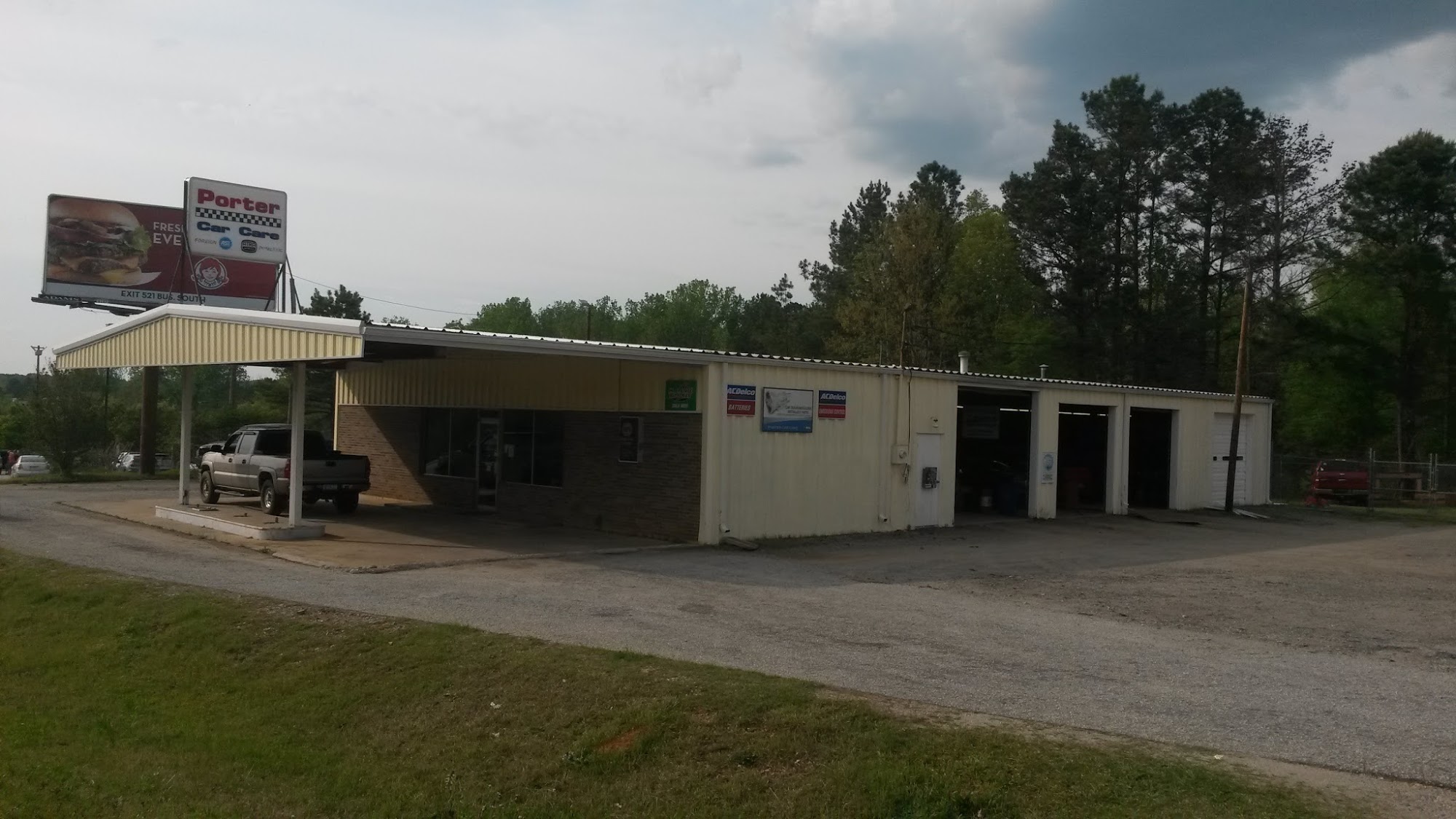
If a winter item on the checklist needs a shop, Porter Car Care LLC in Lancaster covers batteries and electrical work alongside brakes and oil service, so one late-fall appointment can clear most of the list.
Common questions
How cold does it get before tire pressure really drops?
Every cold night takes a little. A swing from a mild afternoon to a freezing morning can drop pressure enough to trigger the warning light, so check monthly through winter.
Do I need to change my coolant just for winter?
Not if it is at the right level, the right mix, and within its service life. Have it tested if it was topped with water or its history is unknown.
Should I let the engine idle to warm up on cold mornings?
Briefly only. After about a minute, drive gently. The engine, transmission, and tires all warm faster in motion than sitting in the driveway.
← All guides from Porter Car Care LLC← Back to Porter Car Care LLC