A Lancaster shop hands you a long estimate and something in your gut says check this first. Troubleshooting that feeling works best like troubleshooting a car: start from the symptom, work toward the likely cause, and finish by deciding what you can verify yourself and what needs a professional second look. The symptom here is doubt. The causes are usually specific and findable.
Bring the written estimate to the second shop. That instruction sits at the center of everything below, because an opinion about a total is worthless, while an opinion about specific lines, parts, and measurements is exactly what you are paying for.
Start from the symptom: what triggered the doubt
Name it precisely, because each trigger has a different test. A total that feels large overall needs a line-by-line review. One line that feels wrong needs that part verified. A repair you do not understand needs a plain-language explanation and a look at the old part or the reading. A deadline that feels manufactured needs the urgency question: what happens if this waits a month?
Write your trigger at the top of the estimate before the visit. It keeps the conversation on the finding that bothered you instead of drifting into a general tour of everything a used car might someday need.
Work to the likely cause, step by step
- Hand over the estimate and your trigger. Tell the second shop exactly what you want verified. Focused questions get tested answers instead of a second full inspection you did not need.
- Have them verify the core finding first. Is the flagged part measurably worn, leaking, or failed? Ask to see the measurement, the part, or the test result with your own eyes.
- Separate the list into three piles. Safety now, reliability soon, and watch items. Most doubt dissolves when a scary total turns out to be one urgent line and several patient ones.
- Ask the waiting question for each pile. What breaks, what gets more expensive, and what simply stays the same if the item waits? Waiting that causes no new damage is a legitimate plan.
- Compare part grades on big lines. If the totals differ, ask whether the parts do. A grade difference is a choice you can make deliberately rather than a dispute.
- Get the second findings in writing. Two documents, compared calmly at home, beat two phone calls remembered differently by everyone involved.
What you can check yourself, and what you cannot
You can verify a surprising amount. Tire tread with a gauge or a coin, brake pad wear on many cars through the wheel spokes, fluid levels and colors, battery age from its label, and whether a reported leak actually leaves a spot under where you park. Checking two or three of these before the visit sharpens your questions and occasionally settles the matter outright.
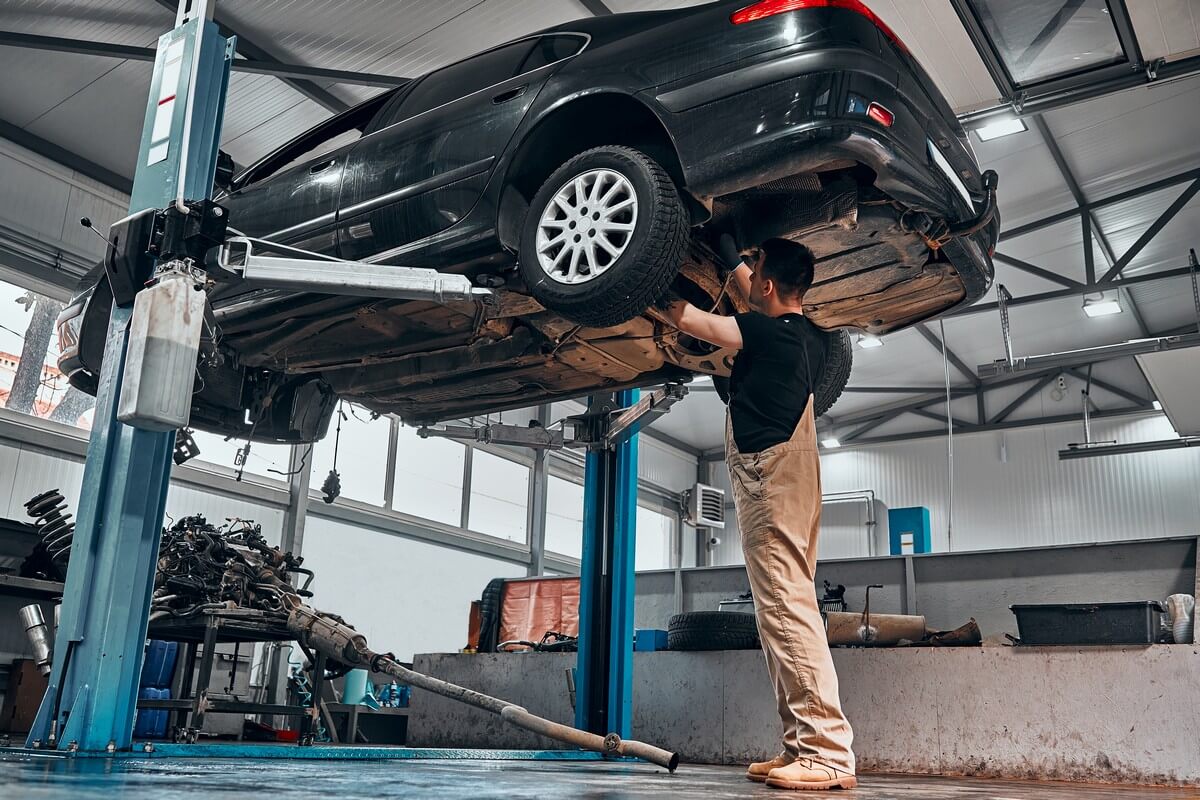
You cannot verify internal transmission wear, a marginal electrical fault, or a suspension measurement without a lift and tools. That is the professional line, and it is where a second shop earns its fee. Pretending a forum search crosses that line is how drivers end up replacing good parts and keeping bad ones.
Reading the outcome
If the second shop confirms the core finding, your decision is about timing and part grade, not trust. If they dispute it, ask both shops to show their evidence, since measurements beat opinions. If each shop found different extra items, that is normal; inspections vary in thoroughness, and extra findings are not accusations.
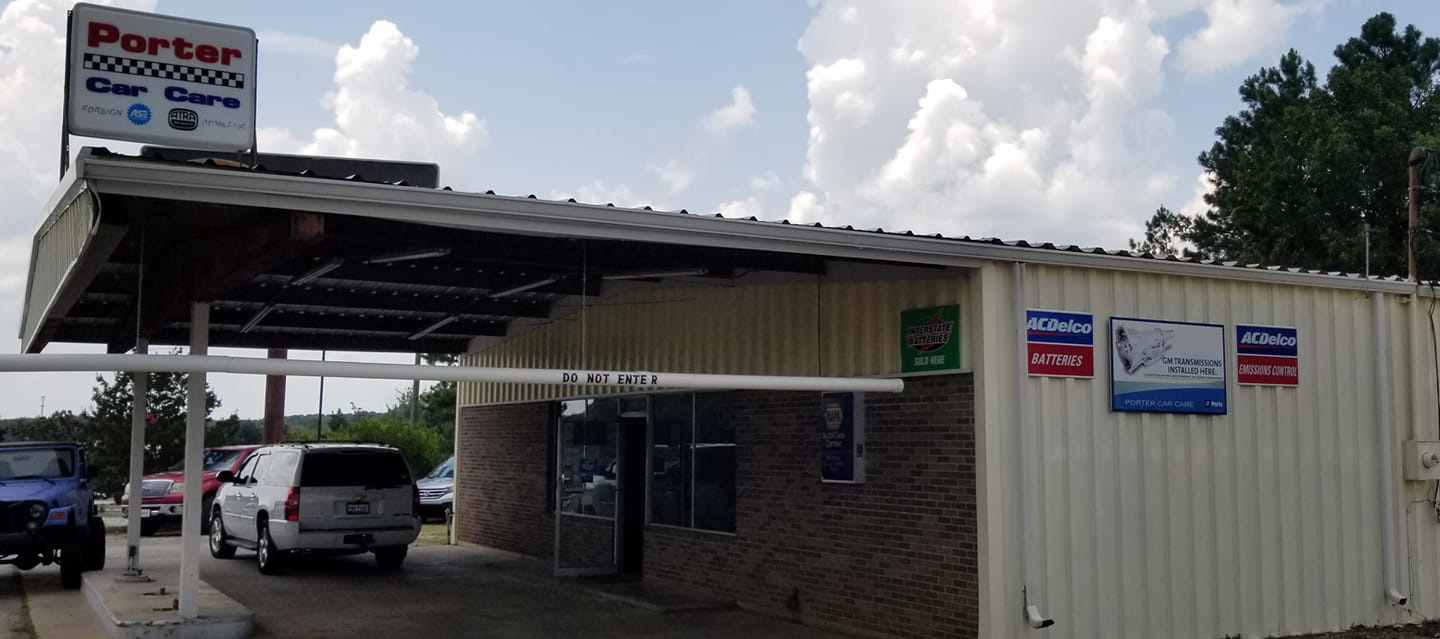
Drivers in Lancaster can use Porter Car Care LLC in either seat, first opinion or second, since the shop covers brakes, transmissions, timing and engine work, and electrical service. Whichever seat a shop sits in, judge it by the same standard: written findings, sorted by urgency, with the evidence shown when you ask.
Keep both estimates with your service records afterward. Together they form a useful history of what was measured, what was deferred, and when each watch item was first spotted, which helps every future shop advise you better.
Common questions
Is it rude to tell a shop I want a second opinion?
No. On any large job it is expected, and professional shops would rather re-verify a finding than have a customer quietly lose confidence in them.
What should I do if both shops agree?
Accept the finding and decide on timing and part grade. Two independent shops landing on the same diagnosis is the strongest signal you will get.
Can I ask the second shop to only check one item?
Yes, and it is often the smartest version of the visit. A narrow verification is quick, focused, and gives you a clear yes or no on the line that worried you.
Photos in this guide are representative stock images.
← All guides from Porter Car Care LLC← Back to Porter Car Care LLC