Buying a used car in Lancaster is mostly a bet on what you cannot see. The paint looks fine, the test drive feels fine, and the problems that cost real money live underneath, where only a lift and a flashlight can find them. A pre-purchase inspection is the hour that closes that gap, and for a first-time buyer the process is simpler than it sounds.
This walkthrough follows the inspection in order, from booking the appointment to reading the report, so you know what the shop is actually checking and how to use what they find.
Before the appointment
Arrange the inspection before money changes hands, and tell the seller that is your plan. A seller who refuses an inspection has answered your most important question already. Schedule with a shop that does not have a stake in the sale, bring the car with a cold engine if you can, and plan on about an hour while the car is examined on a lift, scanned, and road-tested.
Bring a notebook or use your phone. The report you leave with becomes your negotiating tool and, if you buy the car, your first maintenance plan.
The inspection, step by step
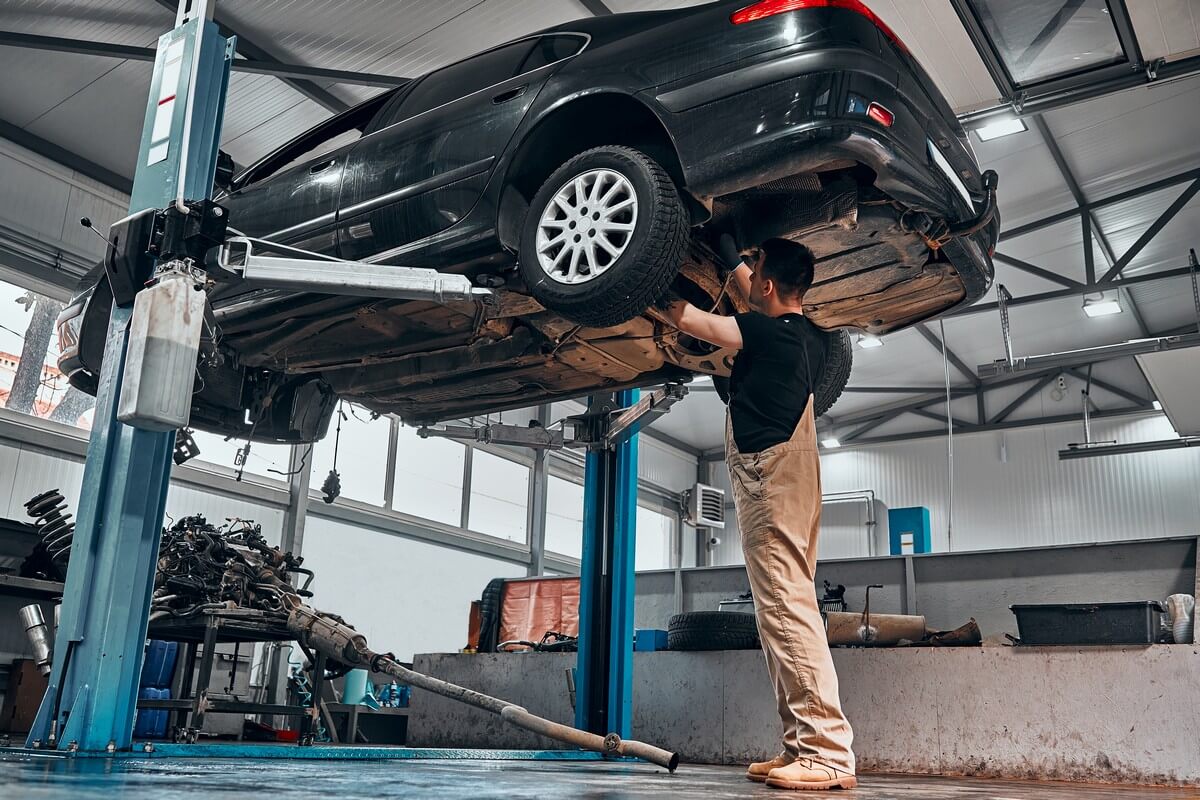
- The lift check underneath. The technician looks for rust, crash repairs, bent components, and leaks from the engine, transmission, and differential that never show on a driveway.
- Fluids get read like a report card. Dark transmission fluid, milky oil, low coolant, or dirty brake fluid each tell a story about how the car was maintained and what it needs next.
- Brakes, tires, and suspension get measured. Pad thickness, rotor condition, tire age and wear pattern, plus play in steering and suspension parts, all with numbers rather than opinions.
- The scan tool checks for codes. Stored and pending fault codes, plus readiness monitors, reveal problems the seller may have cleared just before your visit.
- Belts, hoses, and the battery get tested. Age cracks, swelling, and a load test on the battery separate a car that is ready to drive from one that needs work this month.
- The road test ties it together. Steering feel, braking, transmission shift quality, noises over bumps, and air conditioning performance, all checked the way you will actually drive it.
- You get a sorted report. Safety items first, then repairs due soon, then maintenance and watch items, each tied to the finding that supports it.
What the report is really worth
People call this inspection the cheapest insurance in car buying because of what it prevents. A transmission that is starting to slip, a head gasket that is beginning to seep, or frame rust hidden by fresh undercoating can each cost more than the car is worth to you as a deal. Finding one of them turns a purchase into a walk-away, and you walk away having spent an inspection fee instead of a car payment.
More often, the report finds ordinary wear: brakes due in a few thousand miles, tires in their last year, a battery near the end. That news is useful in a different way. It gives you a fair, specific basis to adjust your offer, and a ready-made list for your first service visits in Lancaster if you buy.
Using the findings well
Sort what you hear into three buckets. Safety findings, like worn-out brakes or a tire with cord showing, should either be fixed by the seller or priced into the deal with no room for debate. Near-term repairs, like a leaking water pump, belong in the negotiation too. Long-life wear items and routine maintenance are simply your ownership costs arriving early, and most buyers accept them if the price is fair.
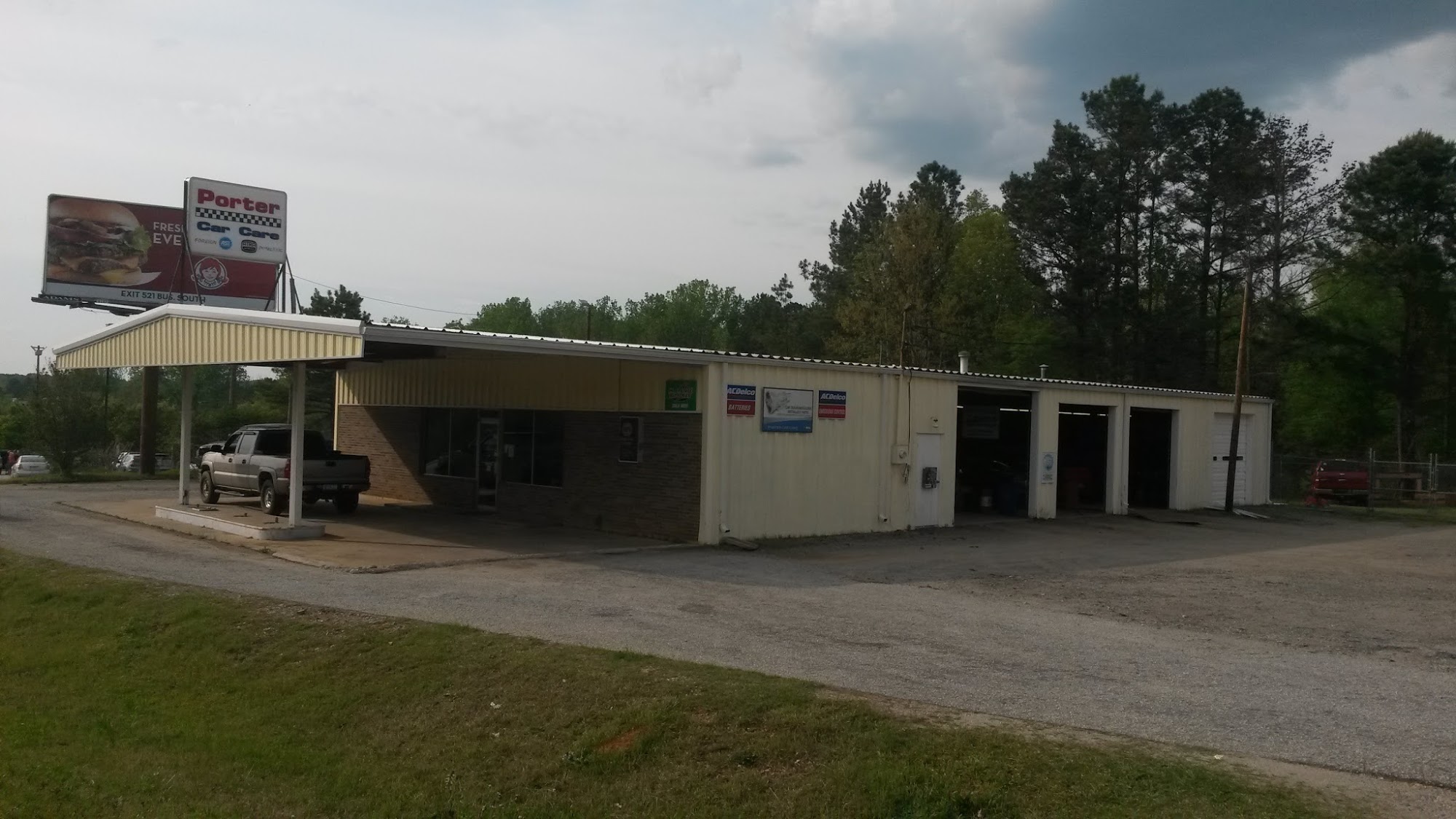
At Porter Car Care LLC in Lancaster, the listed services cover oil changes, brakes, transmission work, and engine work, which means the same shop that inspects the car can also handle most of what the report finds. Keep the report either way. Even on a car you pass up, it taught you what to look for on the next one.
Common questions
Who pays for the pre-purchase inspection?
The buyer usually pays, since the report protects the buyer. Consider it part of the purchase price, and walk away freely if the findings are bad.
Can an inspection guarantee the car will not break?
No inspection can see inside a sealed transmission or predict every failure. It catches current wear, leaks, codes, and damage, which is where most used-car risk lives.
What if the seller will not allow an inspection?
Treat that as your answer and keep shopping. Honest sellers expect inspections, and a car that cannot be looked at on a lift is a car to leave alone.
Photos in this guide are representative stock images.
← All guides from Porter Car Care LLC← Back to Porter Car Care LLC